Hawaiʻi tuition support
STAP offers eligible members tuition reimbursement for undergraduate study in the University of Hawaiʻi system. Funding, grades, and service requirements apply.
Explore Hawaiʻi STAPHAWAIʻI ARMY NATIONAL GUARD
Your island. Your ambition. A bigger next chapter. Explore a future with purpose, practical skills, and a team that challenges you to grow.
Combat medic training
Casualty evacuation training with a simulated patient.
Compare directions and prepare for a conversation.
Use your website email and password to open your private study space.
Leads, tasks, website content, and applicant support.
YOUR AMBITION DESERVES A PLAN.
Your next chapter starts before you put on a uniform. Explore career directions, ask real questions, and build a stronger foundation in the new Learning Lab.
Explore the Learning LabFind my directionSTART WITH WHAT MATTERS TO YOU
Pick a direction. Build your questions. Make an informed decision.
Explore education support and plan around your goals.
Explore benefitsFind a career direction that fits your interests.
Explore careersStart with free ASVAB lessons and original practice.
Open study toolsUse the conversation builder to organize what matters to you.
YOUR NEXT-STEP TOOLKIT
Choose where you are today. Build a list of questions, explore the essentials, and come to your conversation prepared.
01 / GET ORIENTED
Bring your graduation plans, goals, and questions about life in uniform. A parent or guardian is welcome in the conversation.
Planning prompts, not an eligibility screening or a promise of benefits.
02 / BUILD YOUR CONVERSATION
Choose your questions. Your list updates below.
Nothing is sent automatically. Your choices reset when you leave or refresh.
INVEST IN YOUR NEXT CHAPTER
Explore education, career training, and benefits alongside the commitment to serve.
YOUR EDUCATION. YOUR NEXT STEP.
Explore programs that may help you pay for an education while you serve. Start with your school, degree plan, and the benefits you qualify for.
Talk through my optionsSTAP offers eligible members tuition reimbursement for undergraduate study in the University of Hawaiʻi system. Funding, grades, and service requirements apply.
Explore Hawaiʻi STAPEligible Soldiers can request help with approved tuition through ArmyIgnitED. Plan ahead for program rules and application deadlines.
Federal tuition assistanceAsk which education benefits your service may qualify you for. Eligibility and benefit levels depend on your service and the program.
Understand GI Bill programsTURN INTEREST INTO DIRECTION
Explore career families and the questions to bring to your recruiter.
6 career fields to explore · Examples, not a list of current vacancies
Explore construction, infrastructure, and equipment skills.
Work with vehicles, mechanical systems, and equipment upkeep.
Explore communications equipment, networks, and information systems.
Explore medical support roles and the training they require.
Explore aircraft maintenance and aviation operations.
Help organize supplies, transportation, and support for Soldiers.
Your qualifications, local vacancies, and training availability determine your options. Ask a Hawaiʻi recruiter about the current openings.
Hawaiʻi Guard career information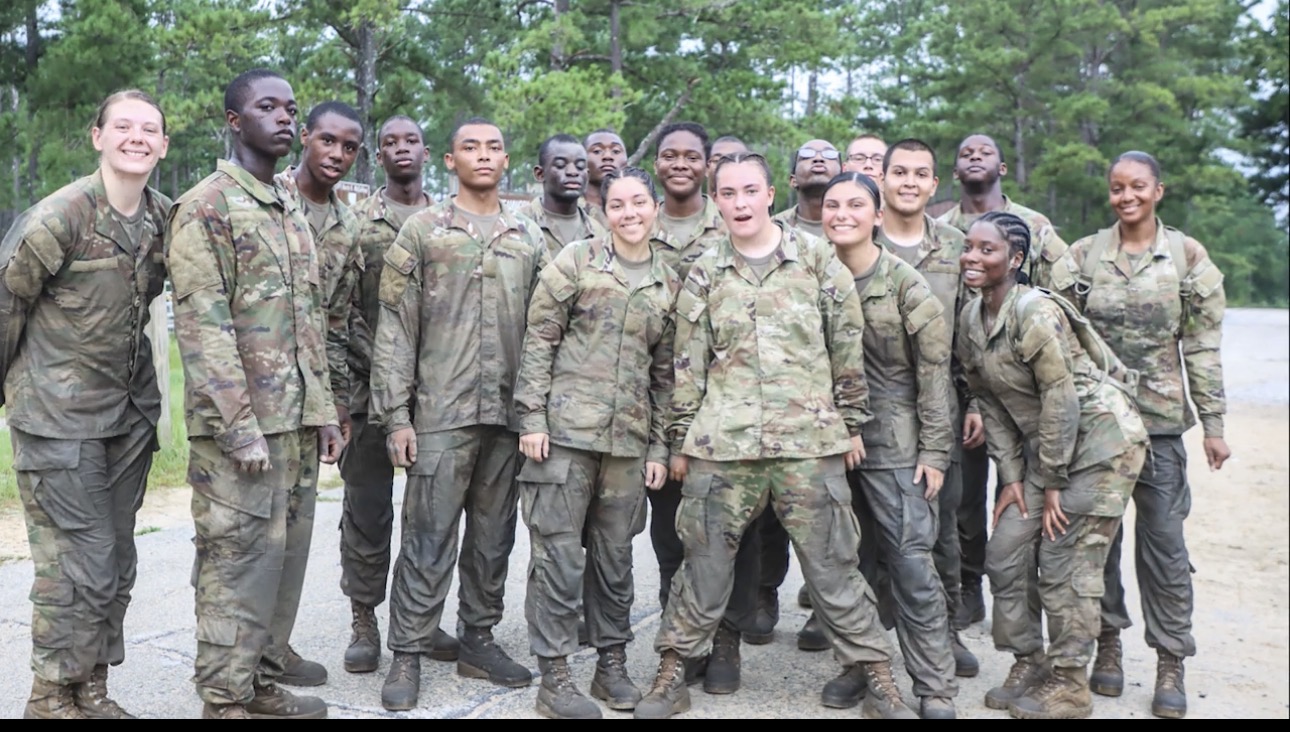 REAL PEOPLE. SHARED PURPOSE.
PEOPLE. PURPOSE. PERSPECTIVE.
Serve alongside people from your community while preparing for state and federal missions. Build friendships, train with your team, and plan for the real responsibilities of service.
A typical schedule after initial training is one weekend a month and two weeks a year. Initial training is full time. Additional training, activations, and deployments can require more time away from home.
YOUR PATH, EXPLAINED
Go from curiosity to a conversation—and understand what comes after.
STEP 1 OF 6
Bring your goals and questions. Your recruiter can explain eligibility, the commitment, and the options worth exploring.
Ask: How could service fit with my school, work, and family plans?
MEET YOUR LOCAL CONNECTION
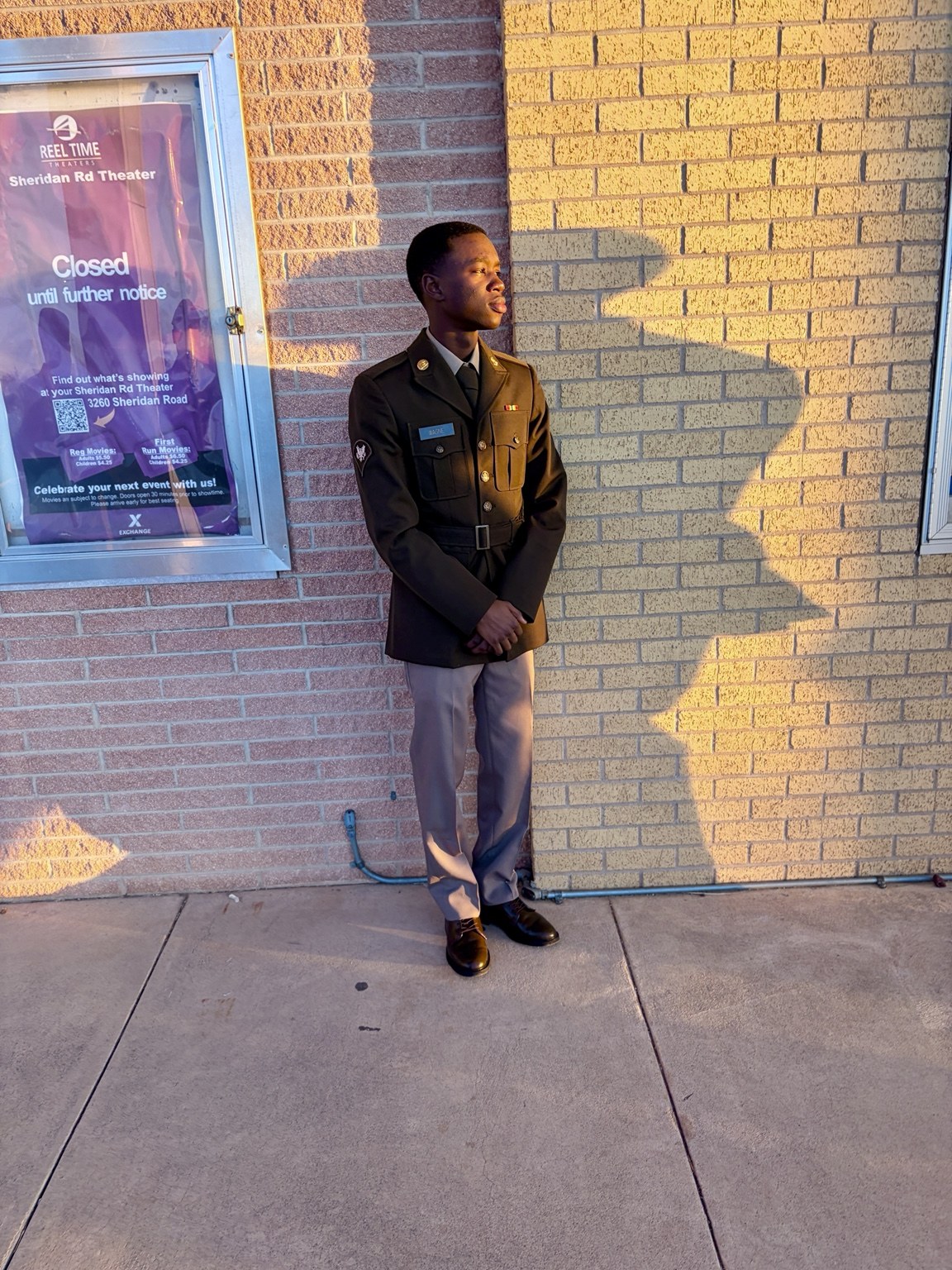
I’m Elhadji Wagne, a Kapolei High School Class of 2025 graduate and an assistant recruiter with the Hawaiʻi Army National Guard.
I joined the Guard on February 20, 2025, while I was still a high school senior. For me, it has been one of the best decisions I’ve made. The skills, friendships, and discipline I’ve gained continue to motivate me every day.
People often ask me, ‘Is basic training hard? What did you have to sacrifice?’ My honest answer is that growth takes effort, and service comes with real commitments. I’ve learned to take ownership of my goals instead of waiting for life to move for me.
If I were back in my senior year, I would choose this path again. Your goals and situation may be different, and I’m here to help you ask the right questions. Welcome to the Bless Express—let’s find your next step.
“Life won’t wait for you. Don’t wait to chase your goals.”@yafavoriterecruiter
TRAIN YOUR MIND
Original practice. Clear explanations. A place to work through the fundamentals at your own pace.
Enter the study hub Practice feedback helps you study. It is not an official ASVAB score.Four new guided learning paths
Explanations that show the method
Print a practice pack and show your work
LET’S START A CONVERSATION
Tell me what you’re thinking about. We’ll talk through your questions, your options, and a next step that makes sense for you.

Share this page with a friend or family member.
Download the QR codeA conversation starts here. No commitment to join.
CLEAR ANSWERS MATTER
The decision deserves more than a headline. Start here, then ask about your situation.
9 answers to explore
No. Asking a question or sending this form is a request for a conversation. It is not an enlistment contract or a commitment to join.
Initial training is designed to challenge you and build the discipline and skills expected of a Soldier. Ask about preparation, daily expectations, and how training fits into your life. SPC Wagne can also share his personal experience.
Read the official guidanceMany Guard members combine service with college or civilian work. Initial training is full time, and later military duties can require additional time away. Plan the commitment with your recruiter, school, employer, and family.
Read the official guidanceThat is a typical training schedule after initial training. Extra training, state activations, and federal deployments can require more time. Your actual schedule and obligations depend on your unit, job, orders, and service agreement.
Read the official guidanceYes. The Guard has state and federal responsibilities. You may serve away from home, including on deployments. No one can promise you will never deploy.
Read the official guidanceYou can start by learning about your options. Ask a recruiter about eligibility, parental involvement, and training schedules. The Split Training Option may be available for eligible applicants and certain jobs; it is not automatic.
Read the official guidanceStart with the original practice questions on this page, then ask SPC Wagne about study support. Practice results help identify topics to review; they do not predict an official score or guarantee a job.
Benefits require eligibility and may depend on funding and your agreement. Jobs depend on qualifications and available vacancies. Confirm the current details with your recruiter and review your contract carefully.
Read the official guidanceAbsolutely. Bring the people who help you make important decisions. Ask together about training, time away, education, and what service would mean for your household.